
Wild Foraging: The Wild Pantry is Open
New Zealand’s fields, forests, and hedgerows are bursting with edible and medicinal treasures—if you know what to look for. Foraging connects us to the land in a powerful, respectful way. This page will help you do it safely, seasonally, and sustainably.
NZ Wild Edible Mushrooms
Wild Food, - Naturally Found
Foraging brings you closer to nature and your food — a rewarding way to gather seasonal, local ingredients straight from the land. Whether you're harvesting wild herbs for tea or collecting fruit from roadside trees, this page will help you identify, gather, and use wild edibles safely and respectfully. Let’s forage with confidence, care, and curiosity.
First - Know Before You Pick
Nature provides—but only when we respect her rules.
Before you head into the bush, hedgerow, or backyard in search of edible treasures, it’s essential to learn the basics of foraging safety. Many wild plants have look-alikes that can cause illness—or worse. That’s why “know before you pick” is the golden rule for every forager, new or experienced.
✔️ Start Small & Local – Learn just a few easily identifiable plants at first, like dandelion, elderberry, kawakawa, or blackberries. Master those before moving on.
✔️ Use Reliable Guides – Don’t rely on guesswork or vague images. Use local field guides or apps designed for New Zealand flora or the country you live in.
✔️ Avoid Main Roadside or Sprayed Areas – Plants near roads and parks may have been contaminated with chemicals or pollutants.
✔️ Don’t Uproot or Overharvest – Take only what you need, and never take the whole plant unless it’s invasive. Wild food thrives when gathered mindfully.
✔️ Don’t Uproot or Overharvest – Take only what you need, and never take the whole plant unless it’s invasive. Wild food thrives when gathered mindfully.
✔️ Take a Foraging Workshop – Joining a local foraging walk or workshop with an experienced guide is one of the best ways to learn hands-on, safely. You'll gain plant ID skills, seasonal tips, and ethical harvesting practices from someone who knows the land well.
Learning to forage safely is a beautiful balance of curiosity and caution. When you take the time to do it right, every basket of wild greens or berries comes with peace of mind—and the joy of knowing you’re gathering in harmony with the land.
Foraging Guide - How I Learnt

An Essential Guide to NZ's Wild Food
Peter Langlands - Foraging New Zealand is your ultimate companion for unearthing over 250 of our tastiest wild plants.
Whether you're a seasoned forager or a curious beginner, this book will inspire you to explore the countryside and view urban weeds with fresh eyes.
Plus Peter, runs amazing foraging workshops to learn about plants, mushrooms and seaweed with taste testing afterwards!
Shrooming Time!
March through to July is a wonderful time to learn how to identify mushrooms. I love this time of year!
Foraging for edible mushrooms in New Zealand can be a rewarding way to connect with nature, but it comes with an important rule: never eat a mushroom unless you are 100% certain of its identification. Many edible species have toxic lookalikes, and misidentification can lead to serious illness. Beginners are strongly encouraged to learn alongside experienced foragers such as Peter Langlands, join local mycology groups such as the Fungal Network of New Zealand, or use multiple reliable field guides. Observing key details like cap shape, gills, spore prints, and especially the surrounding habitat is essential for safe identification.
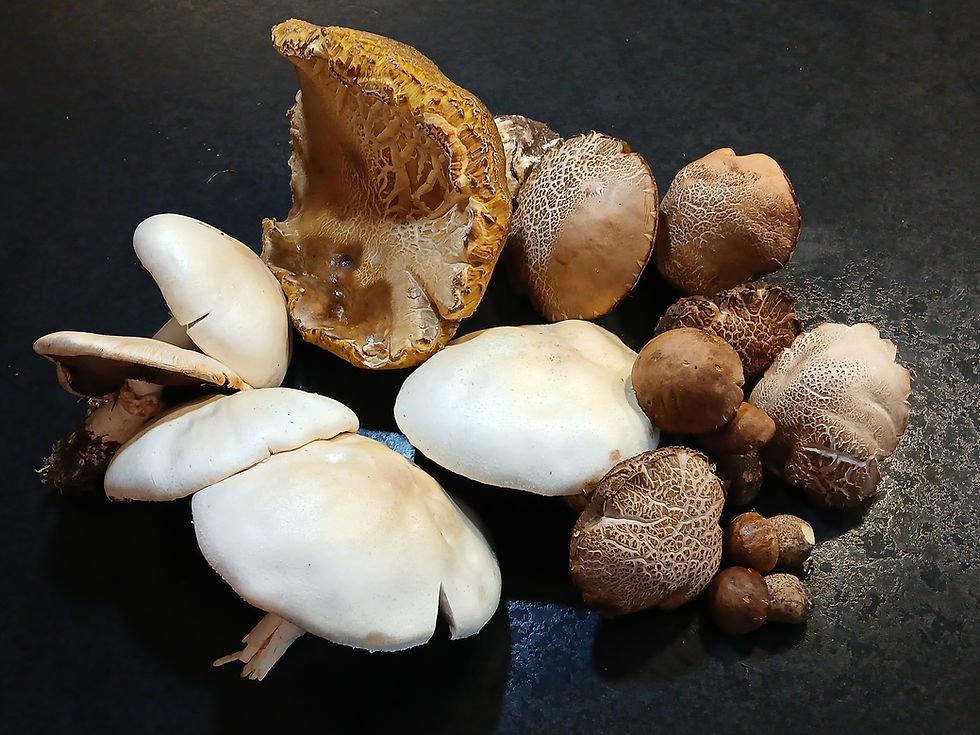
In New Zealand, the mushroom foraging season generally begins in autumn (March to May) when cooler temperatures and steady rainfall create ideal conditions. This is when you’re most likely to find species such as silverbirch boletes, porcini, field mushrooms, slippery jacks and puffballs. Many of these have a strong relationship with their environment—for example, boletes and porcini are often found growing in association with specific trees, particularly birch or pine, forming underground partnerships that help both the tree and fungus thrive. As the season moves into early winter (June to July), varieties like wood blewit begin to appear, often in leaf litter or compost-rich soils where organic matter is breaking down.
This connection to the surrounding environment is one of the most important aspects of mushroom foraging. Fungi are not random—they grow in very specific conditions, often linked to certain trees, soil types, moisture levels, and decaying material. Learning to “read” the landscape is just as important as identifying the mushroom itself. Always forage responsibly: take only what you need, avoid damaging habitats, and never pick from polluted areas or private land without permission. With care, respect, and growing knowledge, mushroom foraging can become a safe and deeply satisfying seasonal tradition.
After the Rain!
There’s something magical about heading out just after the rain has passed and the sun begins to break through—this is when the forest floor truly comes alive. Damp earth, filtered light, and a gentle warmth create the perfect conditions for mushrooms to emerge almost overnight. It’s the ideal time to wander, observe, and learn—basket and paper bags in hand, curiosity leading the way. Take your time, explore different habitats, and enjoy the quiet thrill of spotting each new find.
As you gather, be mindful and methodical—place each species in separate bags or containers to avoid mixing them up later. This makes identification safer and far more accurate when you return home to research. With every outing, you’ll start to recognise patterns, places, and seasonal rhythms. After the rain is when the magic happens—so step outside, breathe it in, and let the landscape teach you.
Step gently, stay curious, and let nature reveal its treasures—one season at a time.
Foraging is as much about learning and observing as it is about gathering. Take your time, respect the environment, and never rush identification—your safety always comes first. With each season, your knowledge will grow, and so will your confidence. Start small, stay curious, and enjoy the simple pleasure of connecting with nature in a meaningful, hands-on way.


Comments