
Preserving & Canning: A Simple Way to Save Money, Reduce Waste, and Eat Well All Year
There’s something incredibly satisfying about lining jars on the pantry shelf—each one a small snapshot of a season, a harvest, or a bargain you couldn’t pass up. Whether you grow your own food or stock up when produce is cheap and abundant, preserving and canning are beautiful, practical skills that help you build a more resilient and healthy home.
In our fast-paced world, these old-fashioned skills are becoming relevant again. And the truth is: anyone can learn them.
Why Preserve Your Food?
1. Save Money All Year
Seasonal produce is almost always cheaper—sometimes dramatically so. By canning and preserving when prices drop, you’re essentially “locking in” those savings for months to come.
Think:
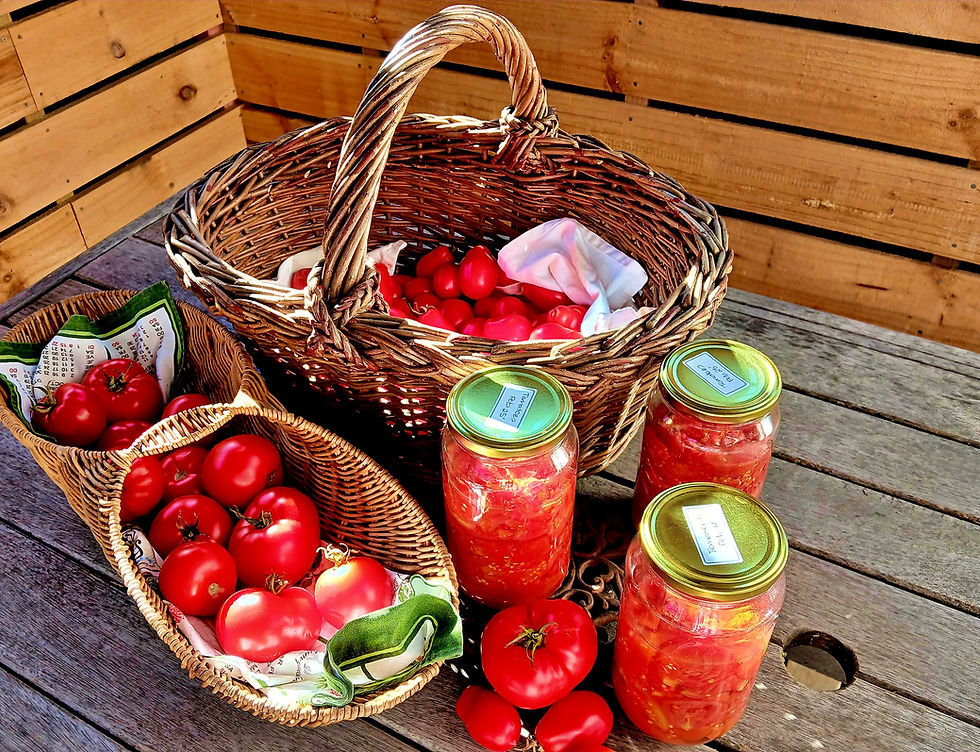
$2/kg tomatoes in summer → jars of pasta sauce for winter
Cheap bulk apples → beautiful bottled apples, pie filling, or chutney
A glut of zucchini → relish for gifting or adding flavour to meals
Canning makes your grocery budget go further without sacrificing flavour or quality.
2. Reduce Food Waste
If you grow a medium size garden like I do, you’ll know the joy (and chaos!) of a bumper crop. When everything ripens at once—tomatoes, cucumbers, plums, beans—it’s easy to end up with more than you can eat fresh.
Preserving turns that hectic harvest into shelf-stable goodness, so nothing goes to waste.
3. Enjoy Convenience—Your Own “Ready Meals”
Canning isn’t just for fruit and jam. You can preserve:
Soups
Stews
Meat
Pressure-canned vegetables
Chilli, curry, or even mince-based meals
Having jars of ready-to-eat meals in the pantry is like having takeaway… only healthier, cheaper, and made with ingredients you trust.
4. Cleaner Ingredients, Better Nutrition
Home-preserved food is free from fillers, stabilisers, artificial colours, and mystery ingredients. You control the salt, sugar, spices, and quality of everything that goes into the jar.
5. A More Self-Sufficient Lifestyle
Preserving is one of those “slow living” habits that helps you feel prepared and intentional. With a stocked pantry, you rely less on last-minute shopping trips and more on what you’ve created with your own hands.
Methods of Preserving (Including Water Bath & Pressure Canning)
Preserving isn’t one single skill—it’s a whole toolkit of methods you can mix and match depending on the food you have.
✨ Water-Bath Canning (High-Acid Foods)
This is the easiest place to start. It’s perfect for foods that naturally contain enough acidity (or are acidified).
You can water-bath:
Jams, jellies, and marmalades
Bottled fruit
Pickles and relish
Chutneys
Tomato sauces (with added acid)
Fruit compotes
If you’re new to canning, this is a gentle and confidence-building entry point.
✨ Pressure Canning (Low-Acid Foods)
Low-acid foods require higher temperatures to be safely preserved. Pressure canning opens up a whole new world:
Meat and poultry
Mince, stews, casseroles
Soups and chowders
Beans and lentils
Carrots, potatoes, corn, pumpkin
“Meals in a jar” for instant dinners
Once you try it, you’ll wonder how you ever lived without jars of ready-to-eat meals on your shelves.
✨ General Preserving (Beyond Canning)
Not everything needs to be in a jar! General preserving also includes:
Freezing berries, vegetables, herbs, and stocks
Dehydrating fruit leather, tomatoes, onions, and herbs
Fermenting sauerkraut, kimchi, and cucumbers
Infusing vinegars, oils, and syrups
Dry storage for root vegetables and garlic
All these methods complement each other beautifully and help you make the most of your harvest.
I Can’t Do It All—So Let Me Introduce Someone Who Can Help
As many of you know, my hands are already full with soapmaking, sourdough, growing my own fruit and vegetables, harvesting, preserving, and of course, writing. I absolutely love the preserving side of homesteading, and I do it regularly, but I’m also a big believer in sharing knowledge generously. Sometimes that means pointing you toward the true experts who teach these skills full-time.
I’d love to introduce you to Katherine from Katherine’s Kitchen. She’s incredibly skilled in safe, modern preserving methods and offers fantastic classes that suit beginners through to confident canners. You can also find her community and updates on Facebook at Katherine’s Kitchen, where she shares tips, seasonal ideas, and preserving inspiration.
Her website, Jar by Jar, is the home of her online preserving course—a treasure trove filled with trusted information, step-by-step lessons, recipes, and proper techniques for both water-bath and pressure canning. If you’re wanting to grow your confidence and learn the safest, most up-to-date methods, she’s the perfect person to learn from.
I’ll continue sharing my preserving adventures here on Urban Homesteader—but when it comes to deeper, structured, step-by-step guidance, Katherine is my go-to recommendation.

A Final Word
Whether you’re preserving your own harvest or taking advantage of seasonal bargains, canning is one of the most rewarding homestead skills you can learn.
It brings comfort to the pantry, flavour to your meals, and a deep sense of connection to the food you eat. And best of all—it’s a skill you can grow at your own pace, one jar at a time.
If you’re ready to dive deeper, pop over to Katherine’s Kitchen and explore the wealth of resources she’s created at Jar by Jar.
Happy preserving,
Dee – Urban Homesteader


Comments