
Growing Blueberries at Home: Planting, Feeding & Caring for These Little Powerhouses
- Dec 4, 2025
- 5 min read
Blueberries are one of those wonderful plants that happily earn their place in any homestead garden. They’re beautiful, productive, nutrient-dense, and surprisingly easy to grow once you understand what they like. Whether you’ve got a small suburban backyard or a full homestead block, a couple of blueberry bushes can keep you in fresh, juicy fruit throughout summer—and give you enough extra for freezing, preserving, or baking.
Here’s everything you need to know to plant and care for blueberries so they thrive for many years to come.

Why Grow Blueberries?
They’re perennial—plant them once, enjoy them for decades.
They’re nutrient-rich, packed with antioxidants, vitamins, and fibre.
They suit small spaces, pots, or garden beds.
They’re beautiful—with spring flowers, summer berries, and fiery autumn colours.
They fit perfectly into organic gardening, as they’re not particularly pest-prone.
Blueberry Types You Can Grow in New Zealand
When you’re shopping for blueberries in NZ, you’ll usually see two main types: Highbush and Rabbiteye. Both grow well here, but they have different strengths depending on your climate and garden space.
Highbush Blueberries
These are the most common types sold in NZ. They love cooler winters and give large, sweet berries.
Best for: Most regions, especially Canterbury and the South Island.
Popular Highbush Varieties
Duke – Early season, very productive.
Bluecrop – Classic, reliable mid-season cropper.
Brigitta – Firm, late-season berries with great flavour.
(There are many more available in NZ garden centres, including Legacy, Patriot, Elliott, and Reka.)
My Highbush Blueberries




Rabbiteye Blueberries
Rabbiteyes are hardy, drought-tolerant, and excellent for warmer or windier areas. They’re taller plants and need a second Rabbiteye variety for pollination.
Best for: Warm, dry, or exposed sites; great long-term homestead plants.
Popular Rabbiteye Varieties
Tifblue – Strong, reliable producer.
Powderblue – Late-season berries, great firmness.
Centurion – NZ variety known for heavy crops and vigour.
(Garden centres also stock others like Brightwell and Maru depending on region.)
My Rabbiteyes - my favourites!

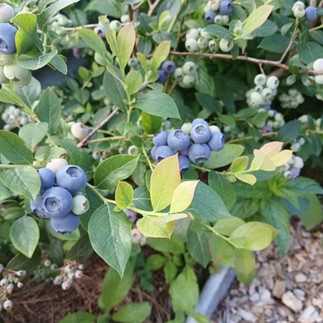


The One Thing Blueberries Love: Acidic Soil
Blueberries are part of the heath family (like rhododendrons and azaleas), and they absolutely thrive in acidic soil, ideally around pH 4.5–5.5. Most garden soil in New Zealand is more neutral, so creating the right conditions is essential.
How to Achieve Acidic Soil
Mix in pine needles, sawdust (untreated), peat moss, or oak leaves.
Add sulphur (elemental sulphur) if your soil is too alkaline.
Use a special blueberry/acid-loving plant mix if planting in pots.
Avoid composts high in manure—too alkaline.
Planting Blueberries
When to Plant
Late winter through early spring is ideal, but potted blueberries can be planted anytime outside of extreme heat.
Where to Plant
Blueberries prefer:
Full sun (at least 6 hours per day) for top berry production.
Shelter from strong winds, especially in open rural areas.
Moist, well-drained soil—they hate “wet feet.”
Spacing
Plant bushes 1–1.5 metres apart. They grow into tidy shrubs and need airflow around them.
How to Plant
Dig a hole twice as wide and slightly deeper than the pot.
Mix pine bark fines, peat, or acidic planting mix into the soil.
Set the plant in so it sits at the same height it was in the pot.
Backfill lightly—blueberries prefer loose, airy soil.
Mulch well with pine bark, pine needles, or wood chips.
Tip: Blueberries cross-pollinate extremely well, so plant at least two different varieties for heavier crops.
Watering: Keep It Consistent
Blueberries have shallow, fibrous roots. They do not like drying out, especially in their first two years.
Watering Guide
Keep soil moist but never soggy.
In Summer, water each day; if on a sprinkler system, water for around 10 mins (in my garden, I have spray heads near the base of the plant); or use a drip system. This helps with fruit production.
In Winter, water once per week if no solid rain.
Mulch keeps moisture in—and keeps weeds out.
In pots: Water little and often. Pots dry out very quickly in NZ summers.
Feeding Your Blueberries
Blueberries prefer light feeding. Too much nitrogen will push leaf growth instead of fruit.
What to Feed
Acid-loving fertiliser (camellia/azalea food works well).
Blood and bone sparingly.
Composted pine bark, pine needles or peat moss for ongoing acidity.
Homemade compost tea if it’s low in manure.
When to Feed
Late Winter to early Spring: Just as new growth starts.
Mid-summer: A smaller top-up feed, but use a Strawberry Fertiliser for berry growth.
Avoid feeding after late summer; it encourages soft growth going into winter.
Pruning for Health & Productivity
Pruning starts after year two.
Remove dead or weak branches.
Cut out low branches touching the ground.
Promote strong vertical or outward-facing growth.
Older plants benefit from removing 1–2 old canes each winter to encourage new shoots.
This keeps your bush vigorous and fruiting heavily.
Growing Blueberries in Containers
Perfect for renters, patios, or if your soil isn’t naturally acidic.
Use:
A large pot (40–50L minimum)
Acidic potting mix
A thick mulch layer
Repot every 2–3 years to refresh nutrients and give the plant more space.
Common Problems & Organic Solutions
Blueberries are mostly trouble-free, but here’s what to watch for:
Birds
Every homesteader knows this battle. Birds love blueberries.
Use netting or a small temporary frame during fruiting.
Bugs
Not many issues here, however in my garden there seems to be a pack between a spider and a moth!
The spiders use their web to make a home out of the leaves, then a particular moth comes along and uses that to lay her eggs, and next thing I have a wee caterpillar feeding on the berries, fascinating teamwork!
In the late evening, spray with a mix of water, neem oil and pyrethrum, which removes the spiders.
Drying Out
Mulch, mulch, mulch—especially in Canterbury’s dry nor’west summers.
Yellow Leaves
Usually a sign of:
pH too high
Overwatering
Lack of iron (add iron chelate) or for a more natural way, use Molasses (1 tbsp per litre of water)
Harvesting Your Blueberries
Blueberries ripen slowly—don’t pick too early!
Wait until they are deep blue with a dull, powdery bloom.
Ripe berries fall off with a gentle roll of your thumb.
Pick every few days as they ripen in waves.
Blueberries freeze wonderfully—no blanching needed.

Final Thoughts from the Homestead
Blueberries are one of the easiest, most rewarding fruiting shrubs you can grow. Once you give them the right soil and steady moisture, they’ll thrive with very little work. In my own garden, I love watching the seasonal cycle—spring blossoms buzzing with bees, summer berries for snacking, and rich autumn colour before they rest for winter.
Add one or two (or six!) to your garden, and you’ll enjoy many years of delicious harvests.




Comments